A GPS outdoor team game: combine route, story and safe competition
A complete framework for a mobile city or outdoor game, from objectives and checkpoints to route testing and team debrief.
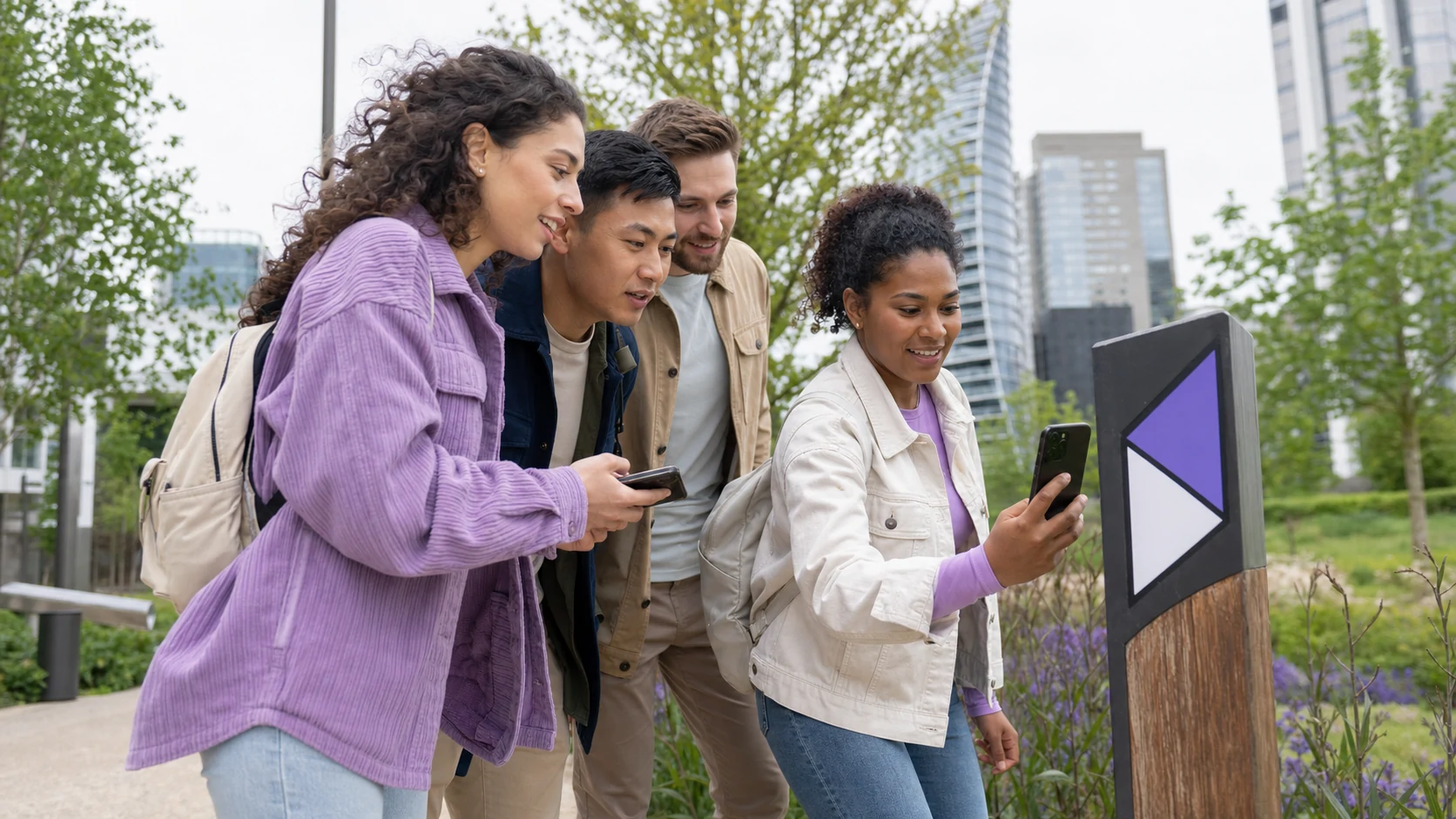
Start with the outcome, then open the map
An outdoor game can build a team, teach local history or practise decisions. The goal determines task design and scoring. If collaboration matters most, reward role-sharing and joint solutions rather than speed alone.
A good route is not the longest one. It is understandable, varied and leaves time to talk. Every location should make sense in the story.
Build the game in six steps
- Define the outcome. State what participants should experience or be able to do.
- Choose a safe area. Avoid hazardous crossings, weak coverage and inaccessible checkpoints.
- Create rhythm. Alternate observation, decision tasks and short quizzes.
- Add a story. Each location should reveal a clue or change the team's situation.
- Set scoring. Reward accuracy and task completion; use time carefully so teams are not encouraged to run.
- Design the finale. Bring teams together and connect solutions to the event goal.
GPS checkpoints need a fallback
Set the activation radius for phone accuracy and a safe place to stop. Never place a point at a road edge or in private space. For essential tasks, provide an alternative code or organizer support when device positioning is inaccurate.
Test on foot, not only on a map
Walk the full route at a similar time of day. Check real duration, noise, lighting, accessibility, construction work and whether a team can stop without blocking others. Retest after any material route change.
Expert note: let the phone initiate conversation rather than replace it. Strong tasks require observation and a team-agreed answer.
Safety and accessibility
Before the start, explain the area boundary, contact number, return time and movement rules. Provide an alternative for people with limited mobility and a way to stop safely while staying in contact. Define weather and daylight conditions that trigger shortening or cancellation.
Measure more than points
Review route completion, time at tasks, requests for help and the quality of open responses. Ask which checkpoint required the best collaboration; this debrief often reveals more than the leaderboard.
The takeaway
Quiz Code connects the map, challenges and results, but success begins with responsible route design. Safety, accessibility and meaningful collaboration matter more than the number of checkpoints.
Frequently asked questions
Does an outdoor game require continuous internet access?
Devices use a connection, so test coverage and provide organizer support or an alternative code for critical checkpoints.
How long should the game last?
Team-building formats often work well at 60–90 minutes, but duration must reflect the objective, route, group accessibility and weather.
How can unsafe competition be avoided?
Do not base the score mainly on speed. Reward accuracy, collaboration and completion, and explain safety rules before the start.
More use cases


Design your own format
Create a quiz, test it with a small group and improve it using real participant responses.
Try Quiz Code